
Quick answer
TempmailSo is the better choice for most quick signups because it offers a free temporary inbox without registration and a simple real-time view.
TempMail.net may be an alternative option, but its public page returned a restricted response during this check, so features and availability may changes over time. For a dependable comparison, use only what you can confirm on the current service page.
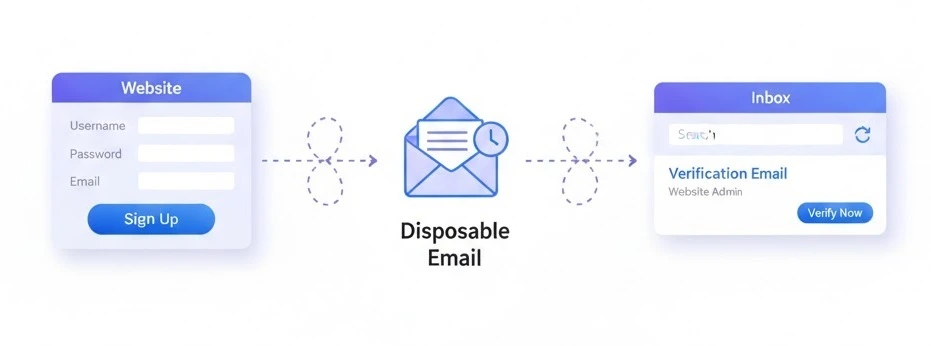
What is the main difference?
The main differnce is how easy it is to start and how clearly each service explains inbox access. TempmailSo opens a disposable inbox directly, while TempMail.net should be checked when you need to know its current limits.
If you want to begin quickly, open the free temporary inbox on TempmailSo and use it for a low-risk signup or a test account. Users do not needs to create a personal mailbox first, which keeps the process short.
TempmailSo vs TempMail.net comparison
| Feature | TempmailSo | TempMail.net |
|---|---|---|
| Quick start | Open an inbox without registration | Check the current site before use |
| Temporary email use | Designed for short-term messages and signups | May vary by current availability |
| Inbox access | Simple browser-based inbox view | Confirm the current access flow |
| Privacy purpose | Keeps low-risk signup mail separate | Review the service policy first |
| Spam protection | Useful for avoiding marketing mail in a personal inbox | Results depend on current service behavior |
| Best fit | Fast anonymous signup checks and testing | Alternative option to evaluate |
Ease of use and inbox access
TempmailSo is practical when you need an address for a trial, forum, or verification message and do not want more account setup. The interface keeps the important action visible, so compairing a message is less confusing.
TempMail.net might suit someone who already knows its workflow, but the restricted page response means I cannot confirm its current inbox behavior. That is a reason to test a non-sensitive signup before relying on it.
Privacy and spam protection
A disposable address can reduce unwanted newsletters and keep a personal inbox cleaner. It should not be used for banking, password recovery, medical messages, or anything that needs long-term ownership.
TempmailSo are useful for low-risk registrations because the temporary inbox separates a one-time message from your regular email. Still, read every message carefully and never share an OTP outside the site that requested it.
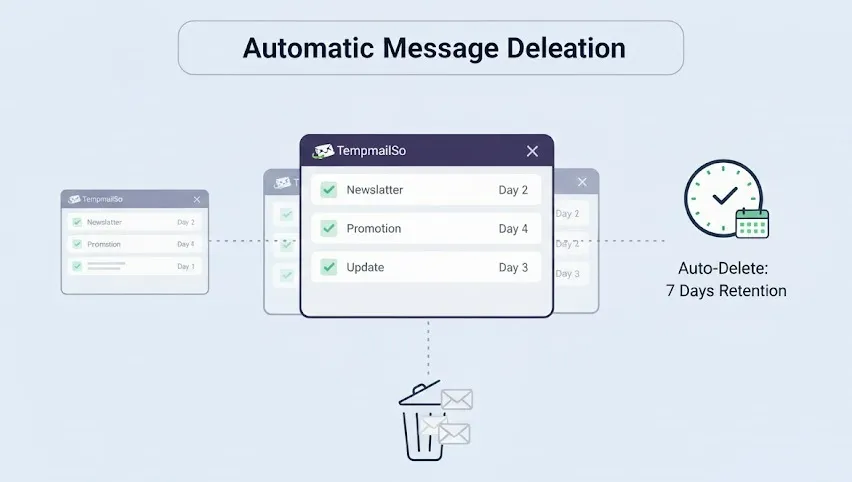
Which service should you choose?
Choose TempmailSo if you want a free temporary email address, no registration, and a quick inbox for ordinary signup testing. This make it a clear choice when speed and separation from your personal inbox matter most.
Choose TempMail.net only after checking that its page is available in your location and that its current rules match your use case. Avoid putting sensitive information in either type of disposable inbox.
For a more specific workflow, see this guide to temporary email for app testing. It covers a useful scenario without asking you to use a permanent address.
FAQ
Is TempmailSo better than TempMail.net?
For most quick, low-risk signups, TempmailSo is the clearer choice because its temporary inbox can be opened without registration. TempMail.net remains an alternative to test when its current page is accessible.
Can I use either service for important accounts?
No. Disposable inboxes are intended for short-term and low-risk use. Use a permanent, protected email account for recovery, payments, private documents, and important notifications.
Does a temporary email stop all spam?
It can reduce spam reaching your personal inbox, but no email service guarantees that every message is safe or wanted. Do not click unfamiliar links just because they arrive in a temporary inbox.