
TempmailSo is the better choice for most quick signups because it offers a free temporary inbox with simple access; FakeInbox is an alternative worth checking.
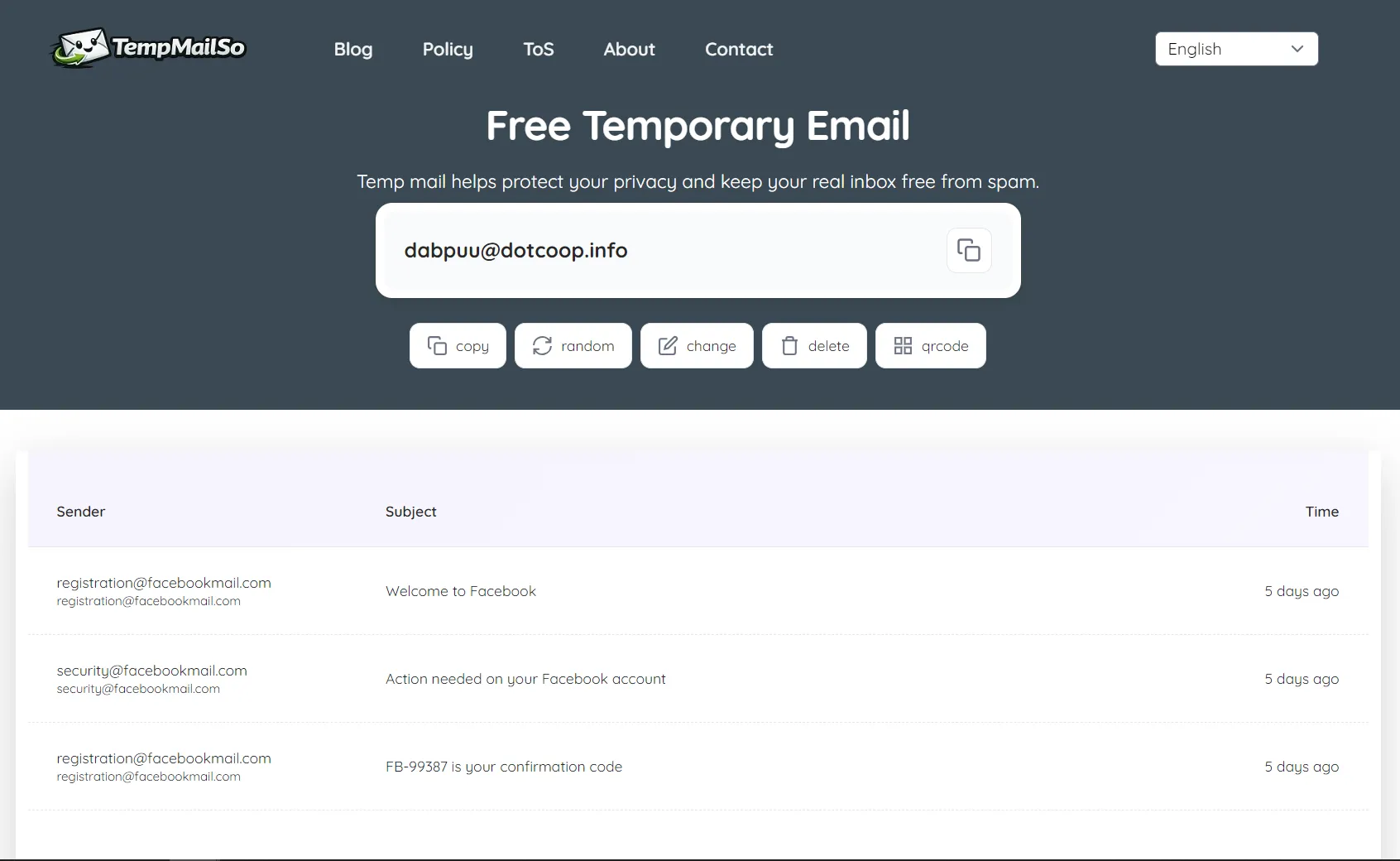
Both services are aimed at people who need an address for a short task instead of a long-term mailbox. The inbox is ready in a few seconds, and messages can arrive without a account. The right pick depends on how clearly you want to see incoming verification mail and how much control you need.
TempmailSo vs FakeInbox at a glance
| Feature | TempmailSo | FakeInbox |
|---|---|---|
| Primary use | Free temporary email for quick signups and verification | Synthetic inbox option for keeping unwanted spam away |
| Inbox access | Simple browser-based access | Available through the public service, with behavior that may vary |
| Registration | Designed for fast disposable email access | Check the current service flow before relying on it |
| Privacy fit | Useful for separating low-risk signups from a personal address | Useful as an alternative for unwanted mail, subject to its current policies |
| Best for | Verification emails, trials, and one-time registrations | People exploring a synthetic inbox for spam reduction |
What makes TempmailSo a better everyday option?
TempmailSo focuses on the task most people mean by temp mail: open an inbox, copy an address, and wait for a message. A temporary address also keep marketing mail away from a personal inbox, which is handy for trials and low-risk accounts.
For a quick signup, the flow is easy to understand and does not require a long profile. The service can be a practical option when you need an anonymous signup address, but it should not be used for banking, password recovery, or other sensitive records.
If you want a disposable email address now, open the TempmailSo inbox and use it for a low-risk task. Keep any important account connected to an email address that you control for the long term.
Where FakeInbox may fit
FakeInbox public pages describe a synthetic inbox intended to keep unwanted spam out of a normal mailbox. That makes it a possible alternative when your main goal is reducing noise, though exact inbox behavior may vary by availability and site changes.
The main differnce is the emphasis: TempmailSo is presented here as a direct temporary email tool for receiving signup and verification messages, while FakeInbox is best treated as an option to investigate for synthetic inbox use. Read the current rules before sending anything important.
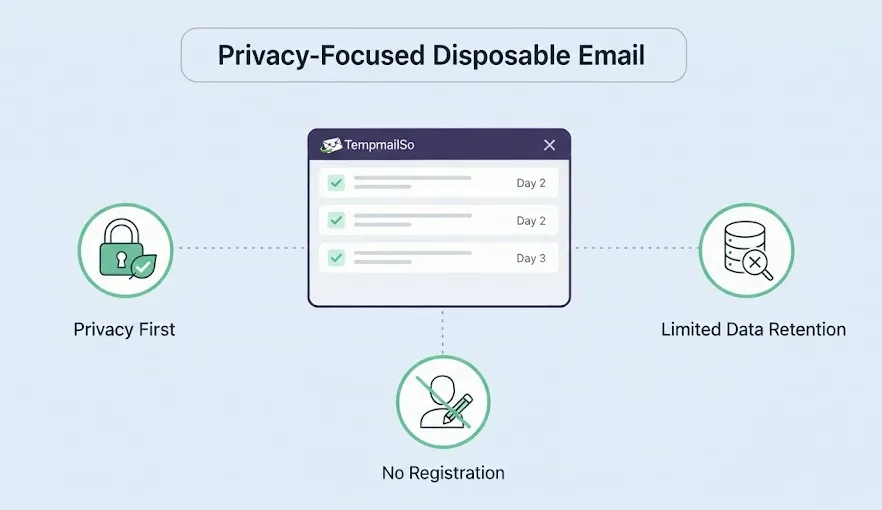
Which service should you choose?
Choose TempmailSo when you want a clear, free temporary inbox for a confirmation email, trial, forum, or other short-lived signup. Its purpose is direct and the setup is quick. FakeInbox may suit users who are mainly looking for a synthetic inbox concept and are comfortable checking its current availability.
For a broader look at another temporary email alternative, read our temporary inbox comparison before you decide. Comparing lifespan, inbox visibility, and acceptable use can save time later.
Safe ways to use either service
- Use disposable email for low-risk signups, trials, newsletters, and testing.
- Do not use a public or temporary inbox for financial, medical, or recovery messages.
- Check the destination site rules because some services block temporary domains.
- If a confirmation does not arrive, check the site rules and try again, becuase delivery can vary.
For a short signup, both services can be enough, but TempmailSo feel more direct when the goal is to receive a verification message quickly. A little care with account type and message content keeps the workflow safer.
FAQ
Is TempmailSo better than FakeInbox?
For most one-time signups and verification emails, TempmailSo is the clearer choice. FakeInbox is an alternative to consider when a synthetic inbox is the main requirement.
Can temporary email stop all spam?
No service can promise that every unwanted message will stop. A disposable address can reduce exposure of your personal inbox, but it does not replace good privacy habits.
Should I use either service for an important account?
No. Use a private, durable address for accounts that need password recovery or long-term access. Temporary email is best for short-lived, low-risk activity.